Concern the UK’s AI Ambitions Could Lead to Water Shortages
Introduction
Artificial intelligence is reshaping industries, promising breakthroughs in areas like healthcare and transportation. Yet, in the U.K.’s race to helm AI advancements, an overlooked consequence is emerging: strain on natural resources, with water taking a hit. Here, the link between AI’s robust expansion and environmental pressure gains focus. This sets up a closer look at how the growth of AI could challenge sustainable management of water resources amidst U.K.’s push for digital dominance.
The Intersection of AI and Water Use
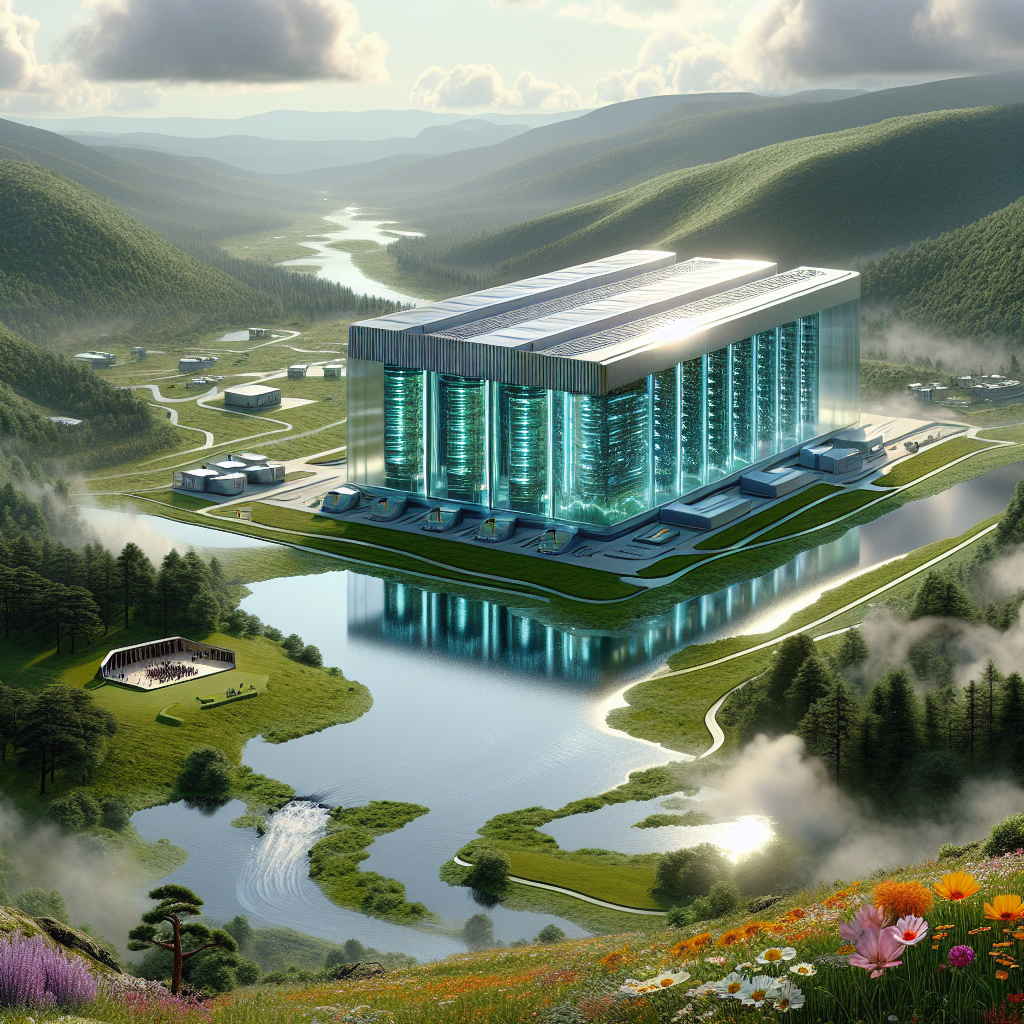
The U.K. is pushing hard to climb to the top of the global AI ladder with significant investment through initiatives like the National AI Strategy. This drive aims to spur economic growth and innovation, but there’s a catch: the more AI grows, the more resources it gobbles up. One resource of concern is water, especially in areas already facing environmental challenges. The backbone of AI technologies—data centers—are notorious for their thirst. Data centers consume a ton of electricity, which in turn requires a lot of water to cool the overheating servers. Currently, they account for about 1.8% of the UK’s total electricity use, and this number is climbing. More electricity means more water, and this trend poses a risk of worsening local water shortages. This situation is already raising eyebrows (source: The Guardian).
Potential Risks to Water Resources
Data centers, essential for AI operations, increase demand for water, straining local supplies. In regions already facing water scarcity, this increased consumption may lead to conflict with community needs and disrupt local ecosystems. Climate change heightens these challenges, making certain areas in the U.K. more susceptible to droughts. If AI advances without considering sustainable water use, these pressures will intensify. Proactive measures are needed to ensure AI development doesn’t exacerbate existing vulnerabilities in the water supply, prioritizing both immediate community requirements and long-term environmental health.
Strategies for Sustainable AI Development
Pursuing sustainable AI involves innovating and regulating with an eye on the environment. Developing AI technologies that focus on water efficiency can help lessen the environmental impacts of data centers. New cooling methods and alternative water sourcing strategies can significantly cut down water usage, supporting both AI expansion and environmental goals.
On the regulatory front, strict oversight is crucial to manage AI’s growth responsibly. This includes enforcing water-efficient practices in data centers, promoting renewable energy, and encouraging sustainable tech solutions through incentives. Achieving a balance between AI advancements and resource conservation is essential for safeguarding the U.K.’s water resources.
Summary Table
| Key Aspect | Details |
|---|---|
| Water Efficiency | AI technologies should prioritize reducing water usage in data centers through innovative cooling and alternative sourcing. |
| Regulatory Oversight | Strict policies ensure AI growth aligns with environmental responsibility, such as enforcing water-efficient practices. |
| Renewable Energy | Encouraging sustainable tech adoption can help minimize AI’s environmental impact. |
| Resource Conservation | Balancing AI advancements with sustainability ensures the protection of water resources in the U.K. |
Community and Stakeholder Involvement
Public awareness plays a crucial role in managing the balance between AI growth and water resources. Open discussions involving communities can help highlight the connection between AI and environmental challenges. This kind of engagement ensures a range of voices and needs are taken into account, helping people understand the importance of sustainable choices. Moreover, an informed public is more capable of pushing for responsible use of resources.
Collaboration is another cornerstone of sustainable AI growth. Bringing together government bodies, industry players, and environmental advocates can lead to innovative solutions for managing AI’s resource demands. These collaborations can yield strategies that leverage AI’s benefits while keeping environmental impacts in check. Such joint efforts can set a precedent for integrating technological progress with resource preservation.
The rapid growth of AI offers significant promise for innovation and economic advancement, yet it presents substantial challenges concerning natural resource depletion, particularly water. The expansive use of data centers, which form the backbone of AI infrastructure, places heavy pressure on water resources. Without deliberate and careful consideration, the intersection of technological development and environmental sustainability can create tensions that impact both the environment and public well-being. It’s essential to strike a balance between these ambitions to ensure that while harnessing AI’s transformative power, we also safeguard the precious natural resources critical for future generations.
This post contains affiliate links. If you purchase through these links, I may earn a commission at no extra cost to you.
Leave a Reply